MEPS and GEMS for Heat Pump Water Heaters

What we know so far about minimum energy performance for heat pump water heaters in Australia.

Presented byAlastair McDowell, EnergyAE
Date22 October 2026
AudienceManufacturers, importers, labs, engineers
StatusExploratory · exposure draft, not law

Agenda

01Where things stand: timeline and grandfathering
02What is covered, and what is not
03How the Appendix H test works
04Load size and the 50°C delivery floor
05Registering and testing your range
06The Certified Launch Platform

MEPS and GEMS in Brief

  • GEMS Act sets minimum performance for products supplied in Australia
  • Stage 1: COP of 2.0 or more at 9°C
  • Measured with AS/NZS 5125.1 Appendix H
  • Cold (1°C) and hot (19°C) testing voluntary
  • Stage 2, about 2028: labelling and noise

Timeline to Date

20252026Consultation RISOct 2025Ministers agreeDec 2025Decision RISApr to May 2026Appendix H publishedMay 2026Exposure draftSep to Oct 2026TodaySources: Decision RIS (Apr 2026), guidance document, Appendix H front page.

What Happens Next

Standards Regulator Industry action 2026 2027 2028 2025 Grandfathering Appendix H published, late May 2026 AS/NZS 5125.1 Amd 1 Consultation RIS, 2 to 31 Oct 2025 Ministers agree, 16 Dec 2025 Decision RIS and options paper, Apr to May 2026 Exposure draft consultation, 7 Sep to 5 Oct 2026 Determination registered (date not announced; example: Dec 2026) 12 months to commencement Commencement (example: Dec 2027) Grandfathering ends, 6 months later (example: Jun 2028) Stage 2: labelling and noise, about 2028 This workshop Prepare now: screen models, get lab quotes Expect busy labs in 2027 Today, 22 Oct 2026 Sources: Decision RIS (Apr 2026), guidance document, exposure draft ss2 and 13, Appendix H front page.

Grandfathering of Existing Stock

Dec 2026Jun 2027Dec 2027Jun 2028Regulator12 months6 monthsDetermination registeredCommencementGrandfathering endsMade or importedbefore commencementCan be supplied, no registration neededMust be registeredMade or importedafter commencementMust be registered and meet MEPSDates are examples: no date has been announced. Open question: how stock in transit is treated.

Scope and Product Classes

Heatsdrinking water?No: not coveredYesTankunder 700 L?No: not coveredYesUnder 7 kWat 9°C?No: not coveredYesNot covered byGEMS electricwater heater rules?No: not coveredYesCovered. Which class?Integral systemCondenser on the tankHeat pump onlyTested with the smallest tankStand-alone systemHeat pump and tank, one model

Appendix H Test Sequence

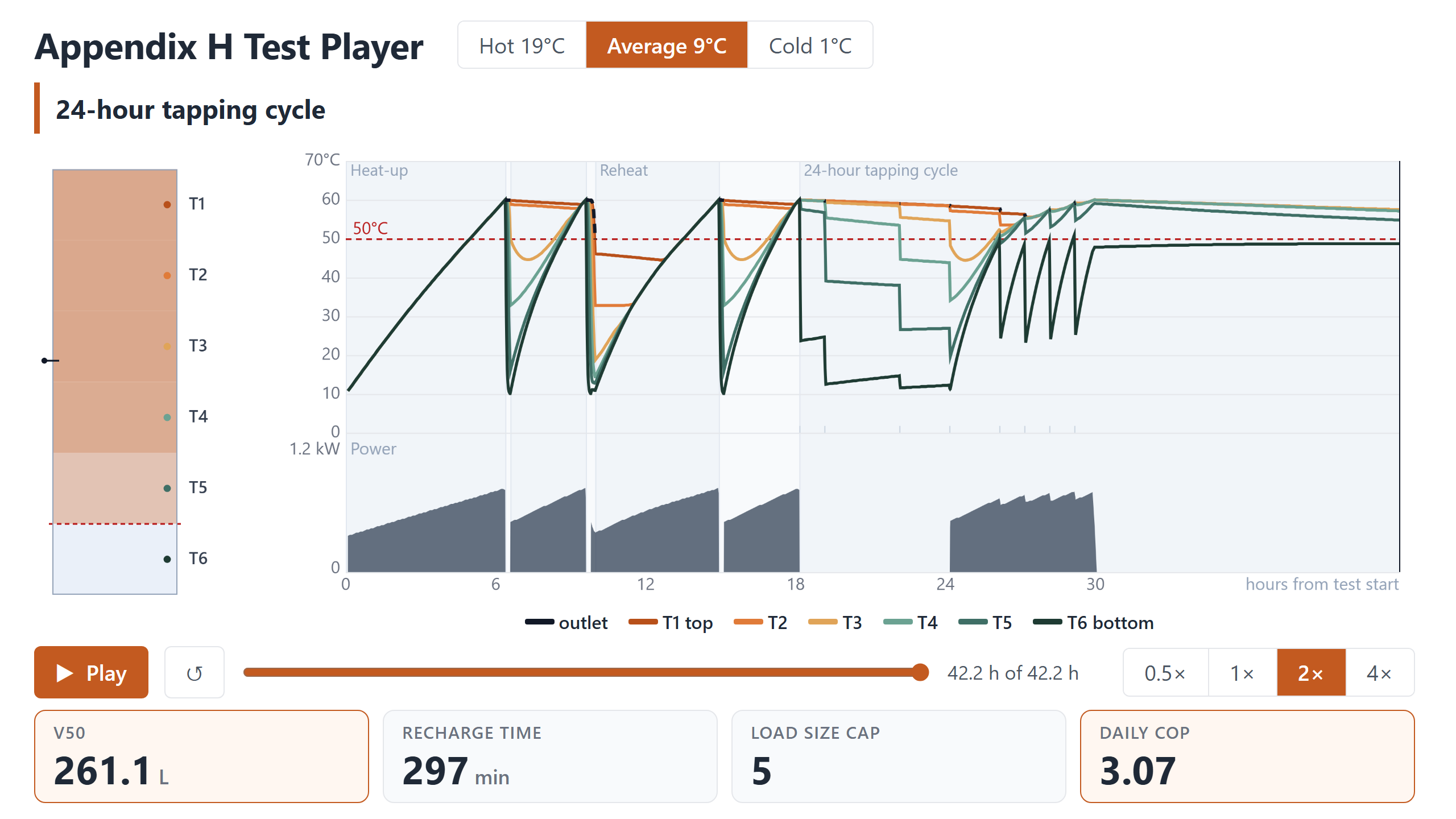
Appendix H test player at the end of a run: tank temperatures, six sensor traces, power, and the V50, recharge time, load size cap and daily COP results

What GEMS Adds to Appendix H

  • Adjustable set point: tested at 60°C, or as close as it gets
  • Load size capped by V50 (Table 15)
  • Declared values cannot be better than the lab results
  • Results, operating modes and test settings disclosed with the product
  • Hot or cold not tested: shown as “Not rated”
  • Registration number visible in adverts, online too
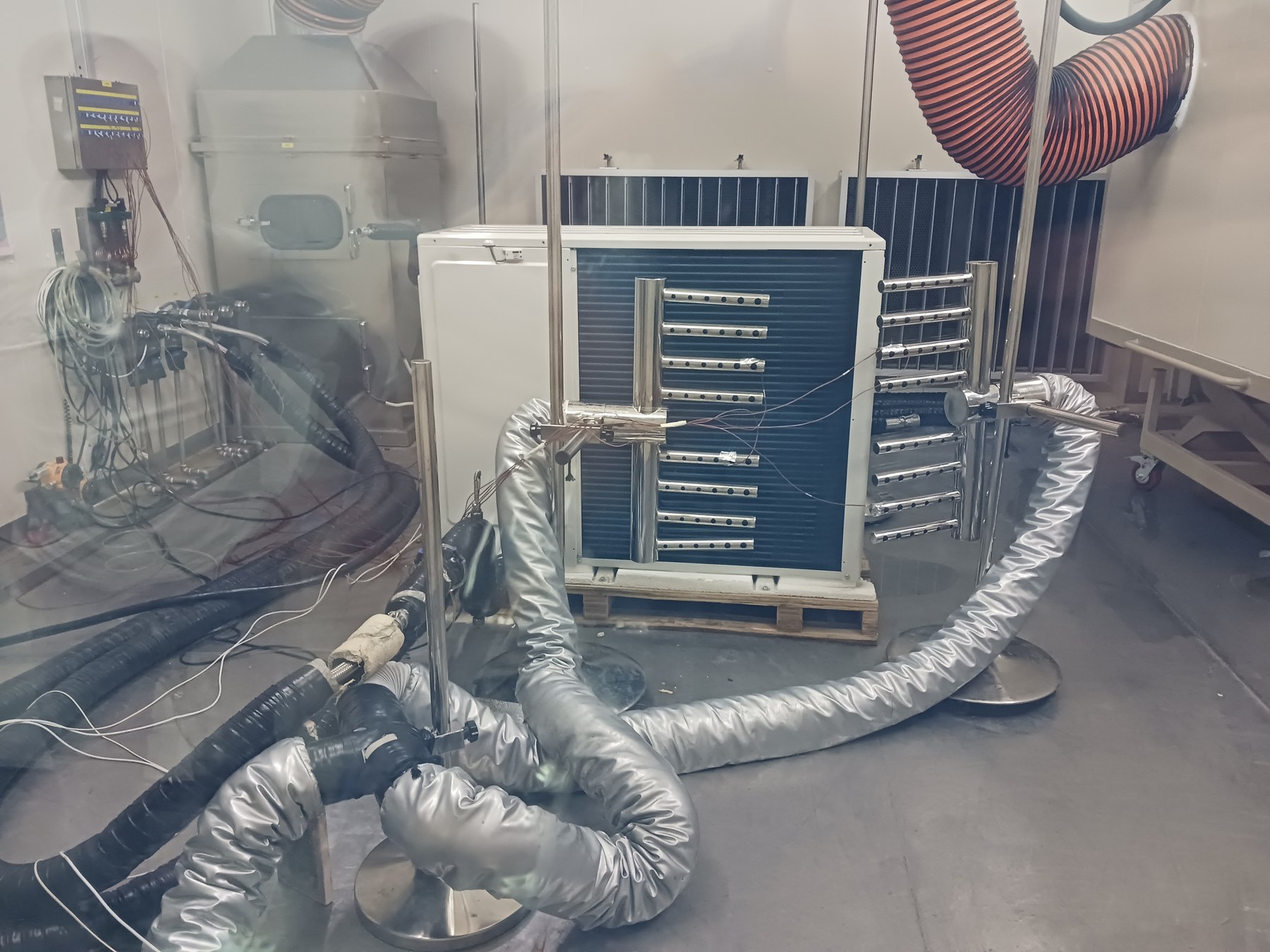
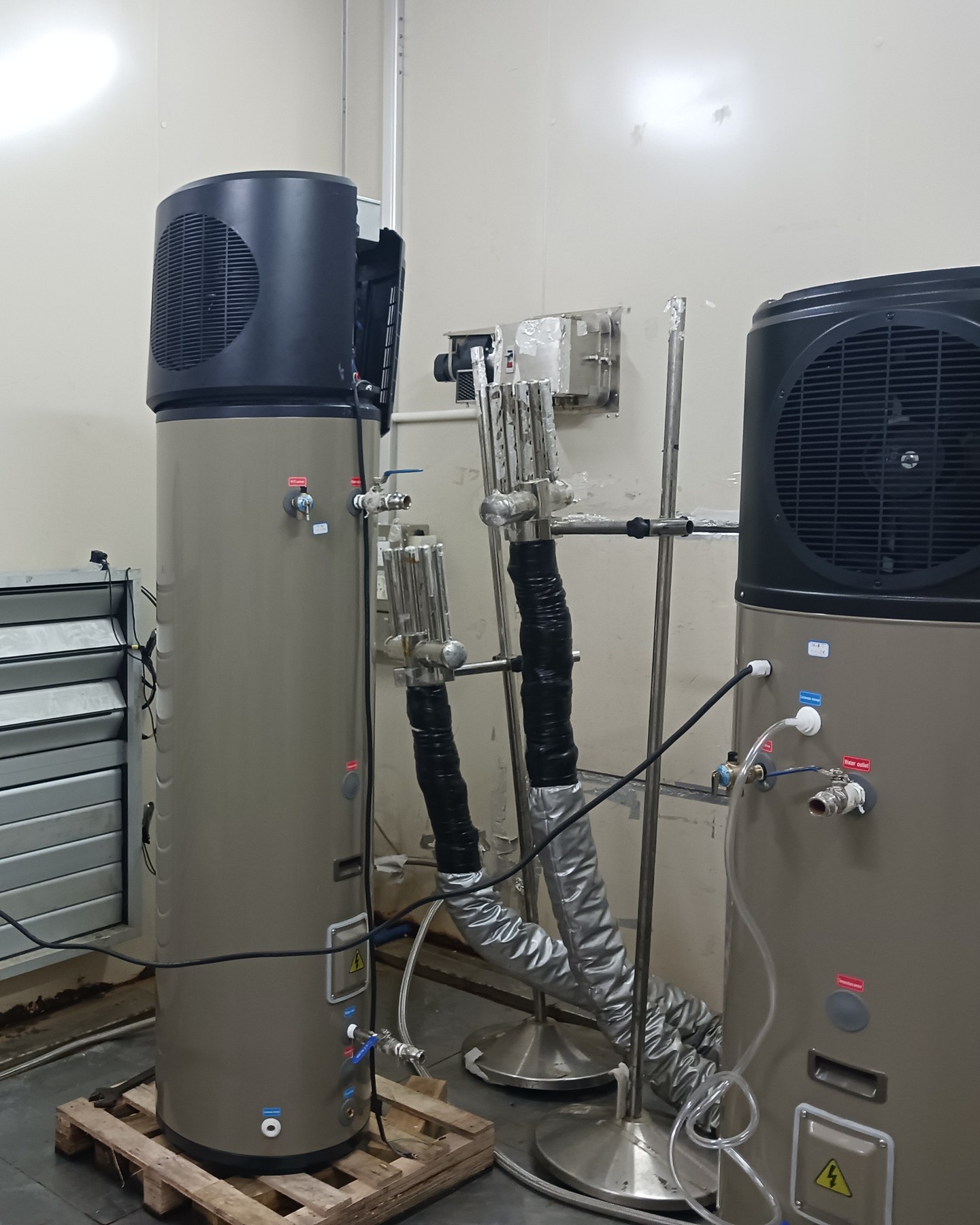
Outdoor-air side of a heat pump unit in a test chamber, with temperature sensors on stands and insulated ducts

Table 15, Maximum Load Size

Highest declared load size allowed1234567890100200300400500Maximum hot water volume, V50 (litres)The department's exampleV50 of about 330 L falls in the300 to under 350 L band, soload sizes 1 to 6 are allowed.
Column 1
Item
Column 2
Maximum hot water volume
Column 3
Declared load size
1less than 100 litres1
2100 litres or greater but less than 150 litres1, 2
3150 litres or greater but less than 200 litres1, 2, 3
4200 litres or greater but less than 250 litres1, 2, 3, 4
5250 litres or greater but less than 300 litres1, 2, 3, 4, 5
6300 litres or greater but less than 350 litres1, 2, 3, 4, 5, 6
7350 litres or greater but less than 400 litres1, 2, 3, 4, 5, 6, 7
8400 litres or greater but less than 450 litres1, 2, 3, 4, 5, 6, 7, 8
9450 litres or greater1, 2, 3, 4, 5, 6, 7, 8, 9
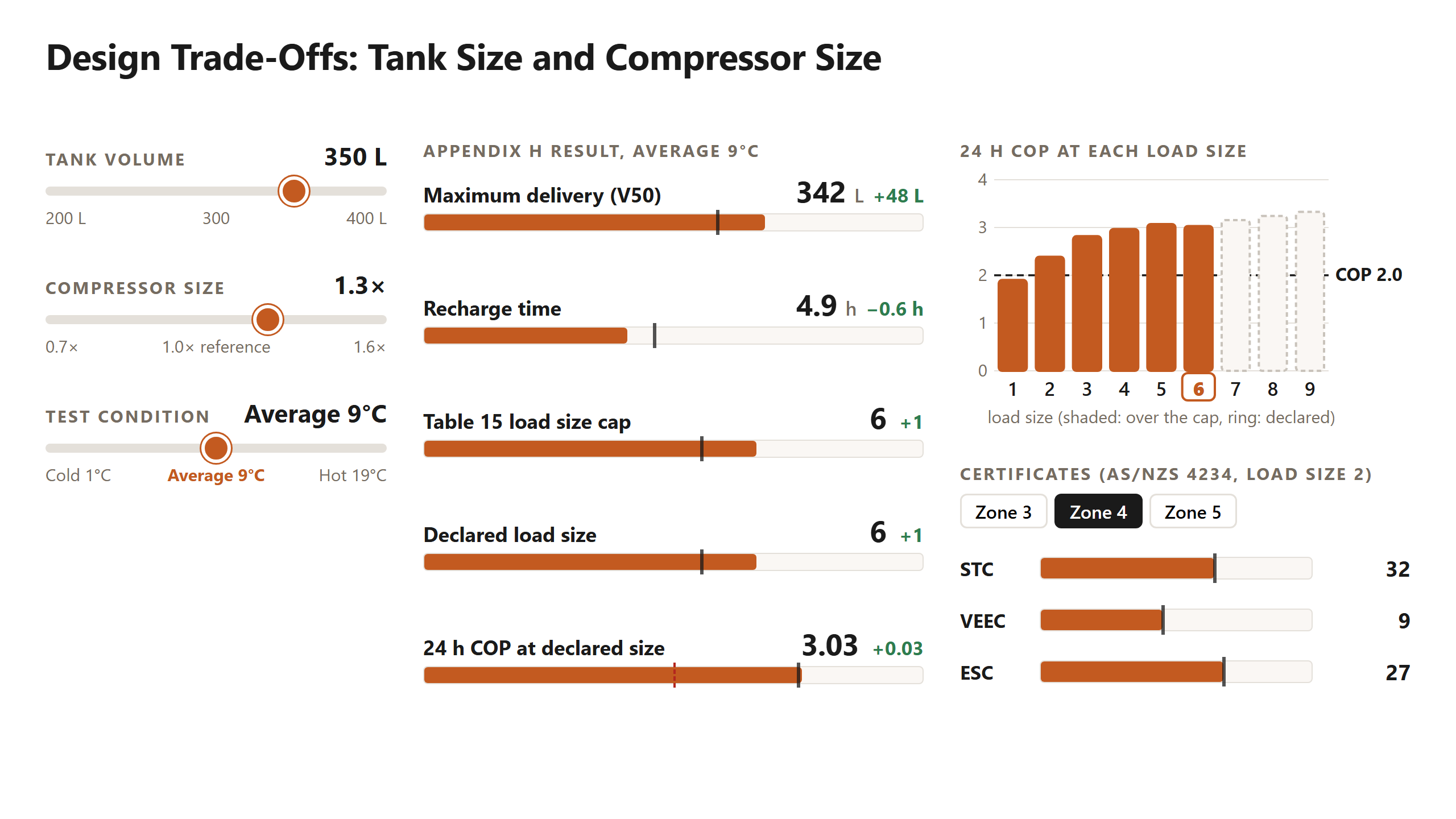
Design trade-offs interactive, default state: tank volume, compressor size, test condition, and the V50, recharge time, load size, COP and certificate results

Minimum Delivery Temperature (MDT): 45°C and 50°C

Incentive schemesAS/NZS 4234 annual model40455055606545°Cminimum deliveryTestComputer model,8,760 hoursSettingsThe product'sown defaultsGivesSTC, VEECand ESCMEPSAS/NZS 5125.1 Appendix H40455055606550°Cminimum deliveryset point about 60°CTestLaboratory test,about two daysSettingsFixed by thestandardGivesV50, rechargetime and COPTwoseparatetestsAs it stands, scheme submissions stay at 45°C. MEPS settings do not have to match your scheme modelling.In MEPS, 50°C ends the maximum draw-off (V50) and applies to all eight draw-offs in the 24-hour cycle.

Families of Models

One test can cover up to 10 models, if they share:The same energy performanceThe same components, controls and modesand an equivalent tank:Sensor positionsInlet and outletHeight to widthHeat lossVolumeOne test covers the whole familyModel ABase modelModel BAnother colourModel CAnother brandModel DAnother brandModel EAnother colourFails a check testFamily at riskFamily at riskFamily at riskFamily at riskA different tank volume is a different family, with its own test.

Registering Stand-Alone Systems

Sell the heat pump aloneSell fixed combinationsSell bothheat pumpsmallest tankyou recommend1 testSystem ASystem B1 test each+Both of the aboveBoth sets of testsRegister asHeat pump onlyRegister asEach systemRegister asBothResultSmallest tank resultResultHeat pump exemptResultBoth registrations

Choosing Which Models to Test

  • Start with the models you sell most and want eligible
  • Group identical products into one family
  • Different tank sizes usually mean separate tests
  • Screen the range first: V50 and COP prediction
  • Test the key and borderline models
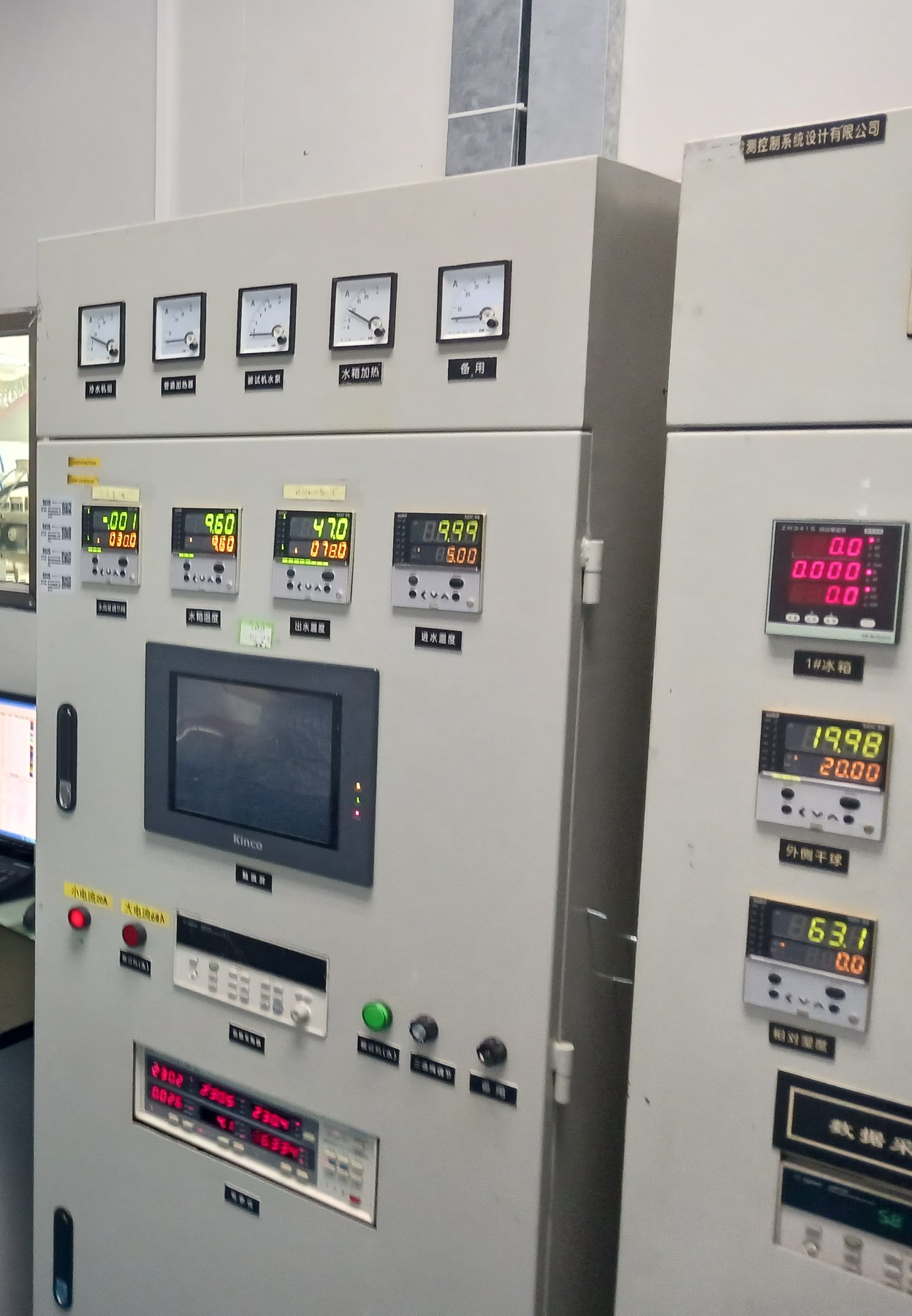
Control cabinet with temperature controllers and panel meters in a heat pump test laboratory

Labs, Time and Cost

QuestionWhat we knowSource
AccreditationNot required for registrationGuidance document
Check testingResults must be replicableGuidance document
Time1 to 2 weeks a modelEnergyAE estimate
Cost$15,000 to $25,000+ AUD a model, one condition; more for threeEnergyAE estimate
LabsVIPAC, CVC, Intertek and potentially more (TBC)Labs have told us they can test
Two heat pump water heaters connected for testing in a laboratory, with insulated ducts and sensor stands

Preparation Plan

1

List models, tanks and control settings

→

2

Screen by simulation

→

3

Fix set points and tank issues

→

4

Ask labs for quotes and a practice test

→

5

Full test, then register

Questions and next steps

Alastair McDowell · Director, EnergyAE
alastair.mcdowell@energyae.com · energyae.com
Recording and written answers will follow
MEPS simulator: energyae.com/resources/meps-testing-simulator

EnergyAE Ltd (NZ) / EAE Pty Ltd (AU) · HPWH compliance modelling, TRNSYS simulation, scheme registration.
Exploratory. The determination is an exposure draft, not law, and Table 15 values may change. The Appendix H simulation is not yet validated against laboratory data.
→ advance  ·  F fullscreen
Speaker notes